Clinical Applications
Objective Measurements In Temporomandibular Disorders
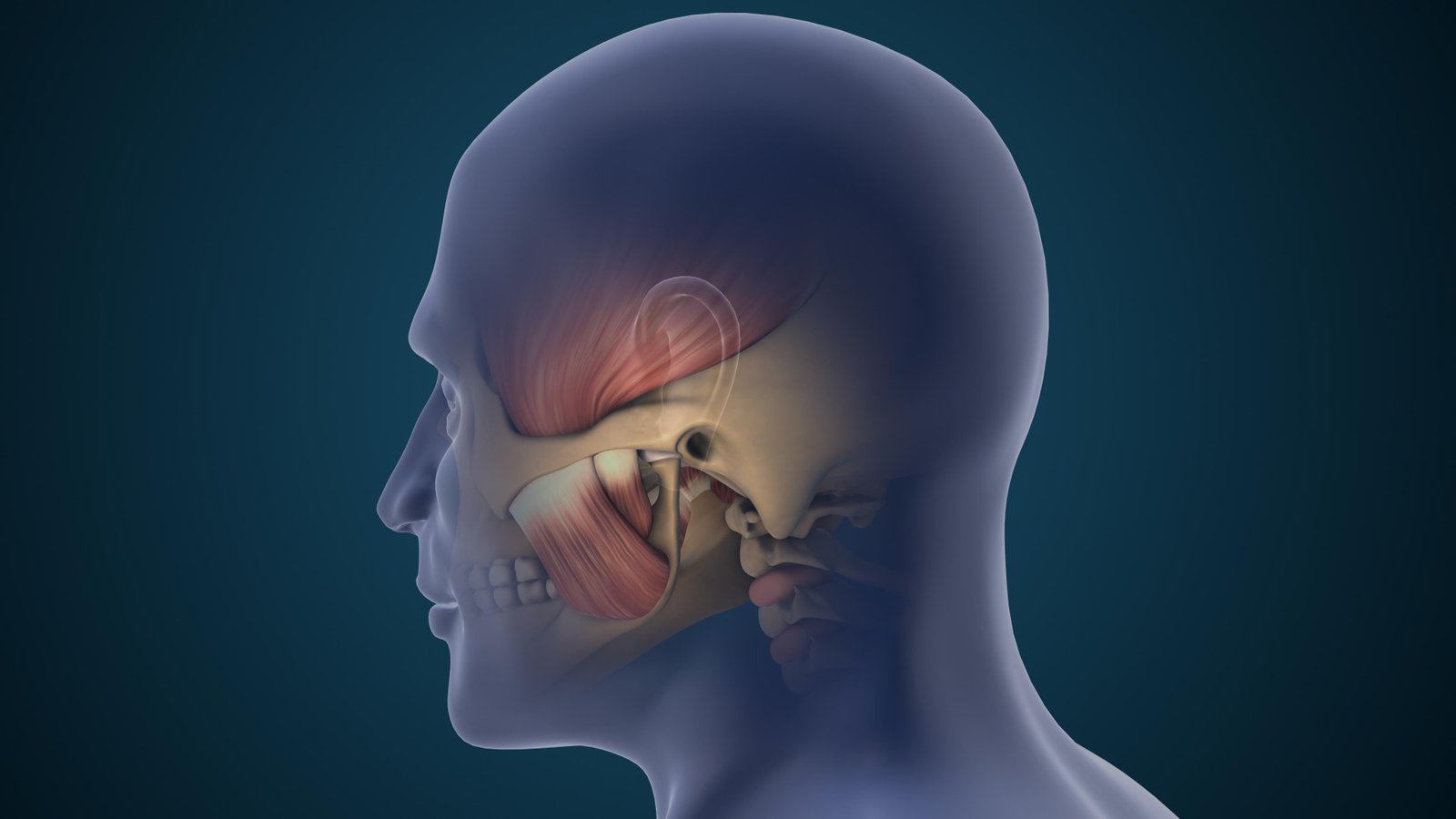
Temporomandibular disorders are closely linked to mandibular dynamics, posture, and orofacial neuromuscular control.
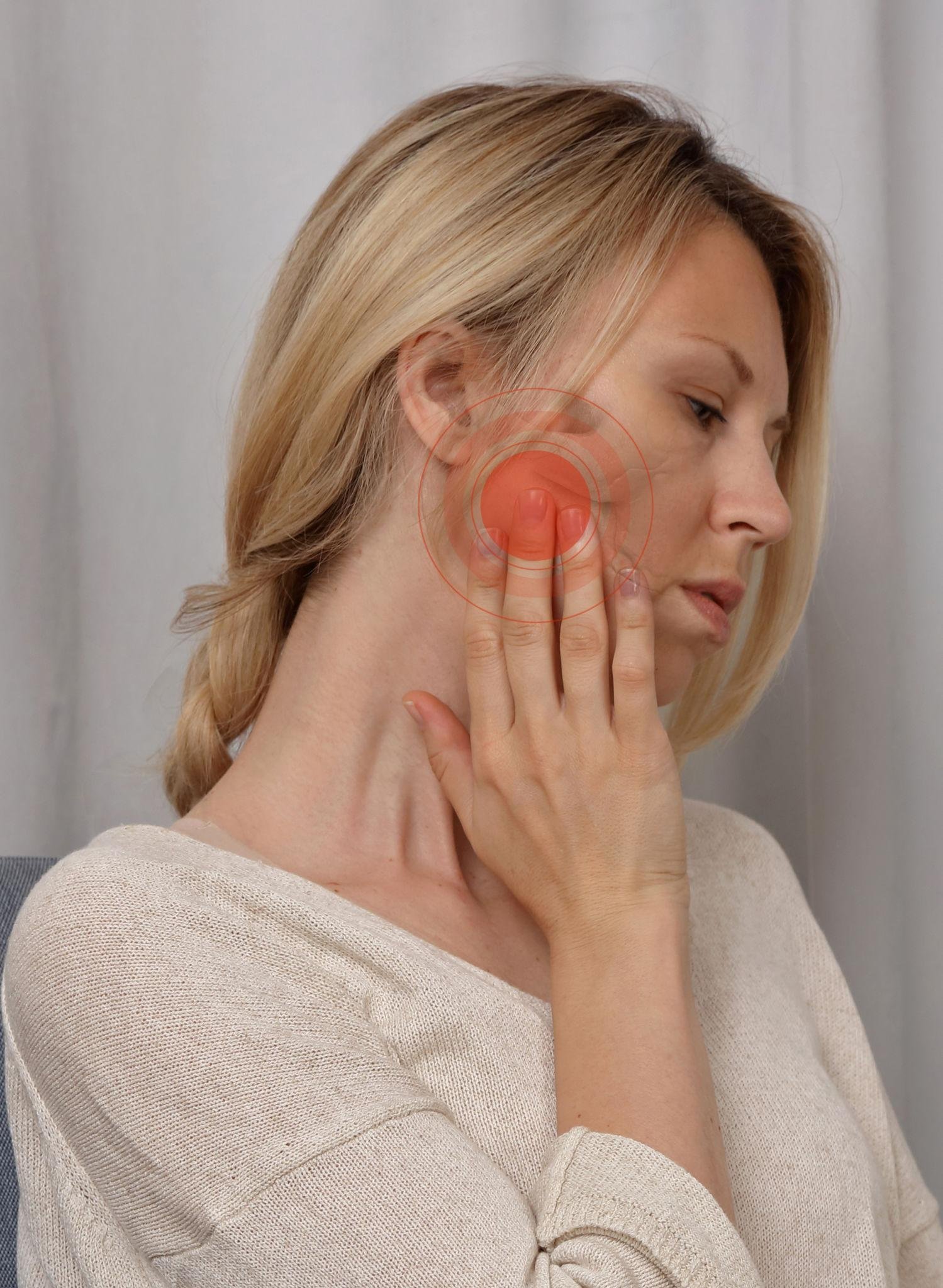
The Role Of The Oral And Peri-Oral Muscles In TMD
An asymmetrical, low, or overly active resting position of the tongue, lips and cheeks, increase the strain on the masticatory system, which can contribute to pain, wear and dysfunctions.
Conditions such as bruxism, mouth breathing, and poor tongue posture (whether low, anterior, or interdental) often coexist and may lead to altered head posture and changes in mandibular dynamics.
Why Measure Muscular Pressure?
Objective assessment helps distinguish functional contributors from structural factors and supports interdisciplinary treatment planning.
TPMD In TMD Management
TPMD supports:
Assessing muscles related functional imbalances
Justifying rehabilitation as a complement to splint therapy
Monitoring neuromuscular rebalancing